Rustic Solid Wood Statements
Embrace natural imperfections, heavy grains, and unmatched durability with solid wood centerpieces.
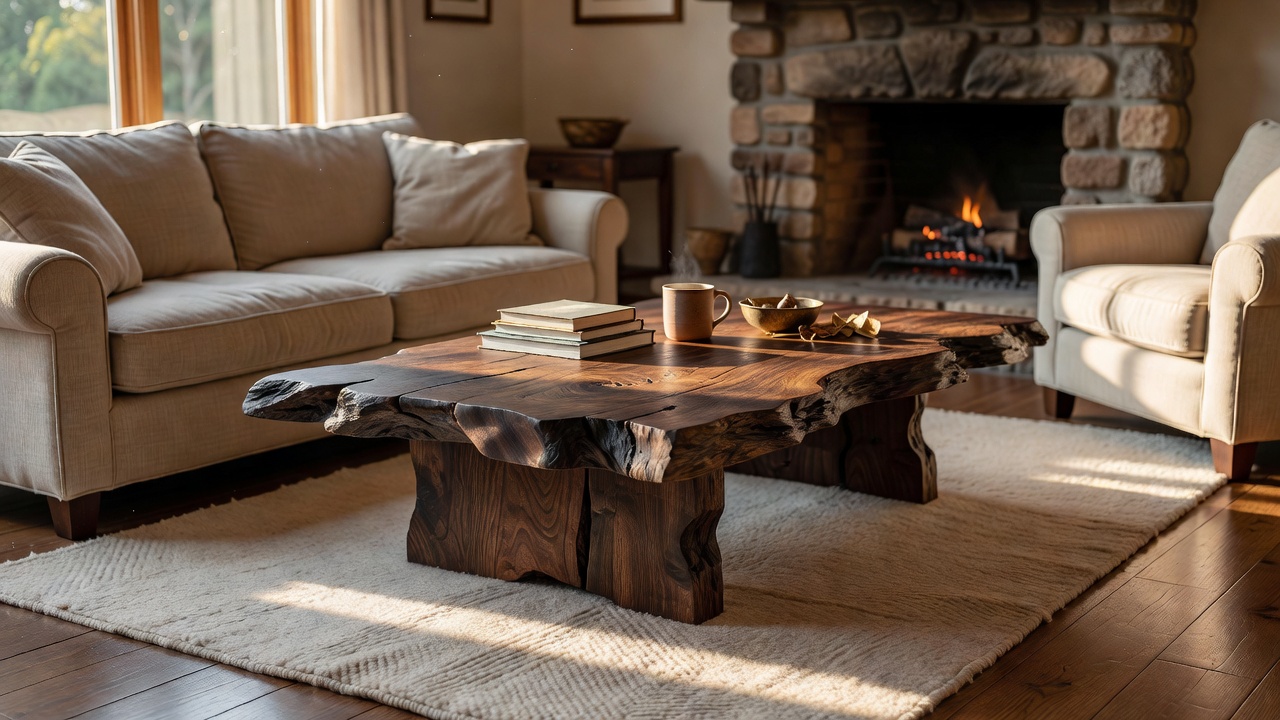
In an era increasingly dominated by screens, synthetic materials, and fast furniture, the rustic solid wood coffee table stands as a testament to longevity and organic beauty. By integrating pieces that highlight heavy grains, natural knots, and raw textures, you introduce a sense of grounding and biophilic calm into your living space.
The Allure of the Imperfect
Rustic design does not mean unrefined; rather, it celebrates the life of the material. A pristine, high-gloss veneer may look sleek, but it hides the character of the tree it came from. Solid wood tables—especially those categorized as rustic—lean into their flaws. Knots, mineral streaks, and variations in grain are not defects; they are the exact features that make every single table wholly unique.
Live Edge Designs
A prominent trend in rustic wood tables is the "live edge." This means the craftsman has left the natural, undulating edge of the tree trunk intact rather than milling it down to a straight line. Live edge tables blur the line between furniture and sculpture, bringing a literal slice of the forest into the modern home.
Reclaimed and Salvaged Woods
Environmental consciousness has driven a massive surge in reclaimed wood furniture. Timber salvaged from old barns, factories, or structural beams is repurposed into heavy-duty coffee tables. Reclaimed wood often features nail holes, saw marks, and a deeply weathered patina that cannot be authentically replicated in fresh timber. Woods like oak, pine, and elm are frequent favorites for this application.
Durability for Daily Life
One of the primary benefits of a solid rustic table is its resilience. Unlike delicate glass or thin veneers that chip easily, a chunky wood table can handle the rigors of a busy household. In fact, a few extra dents or scratches accumulated over years of use simply add to the rustic charm of the piece.
Pros and Cons
| Advantages | Considerations |
|---|---|
| Incredibly durable and capable of lasting generations. | Can be exceedingly heavy and difficult to move. |
| Each piece is entirely unique due to natural grain variations. | Solid wood is susceptible to humidity and temperature changes. |
| Minor damage blends into the rustic aesthetic. | Deep crevices or live edges can collect dust and crumbs. |
Care and Maintenance
While robust, solid wood does require specific care to prevent drying and cracking. Maintain a relatively stable humidity level in your home. Depending on the finish, a rustic table may benefit from periodic oiling or waxing. If your table has a natural oil finish, applying a coat of furniture wax or linseed oil every six months will keep the wood nourished and enhance the depth of the grain. Always avoid placing hot mugs directly on the wood to prevent heat rings.