The Timeless Appeal of Mid-Century Modern Coffee Tables
Organic shapes, tapered legs, and warm wood finishes continue to define contemporary living spaces.
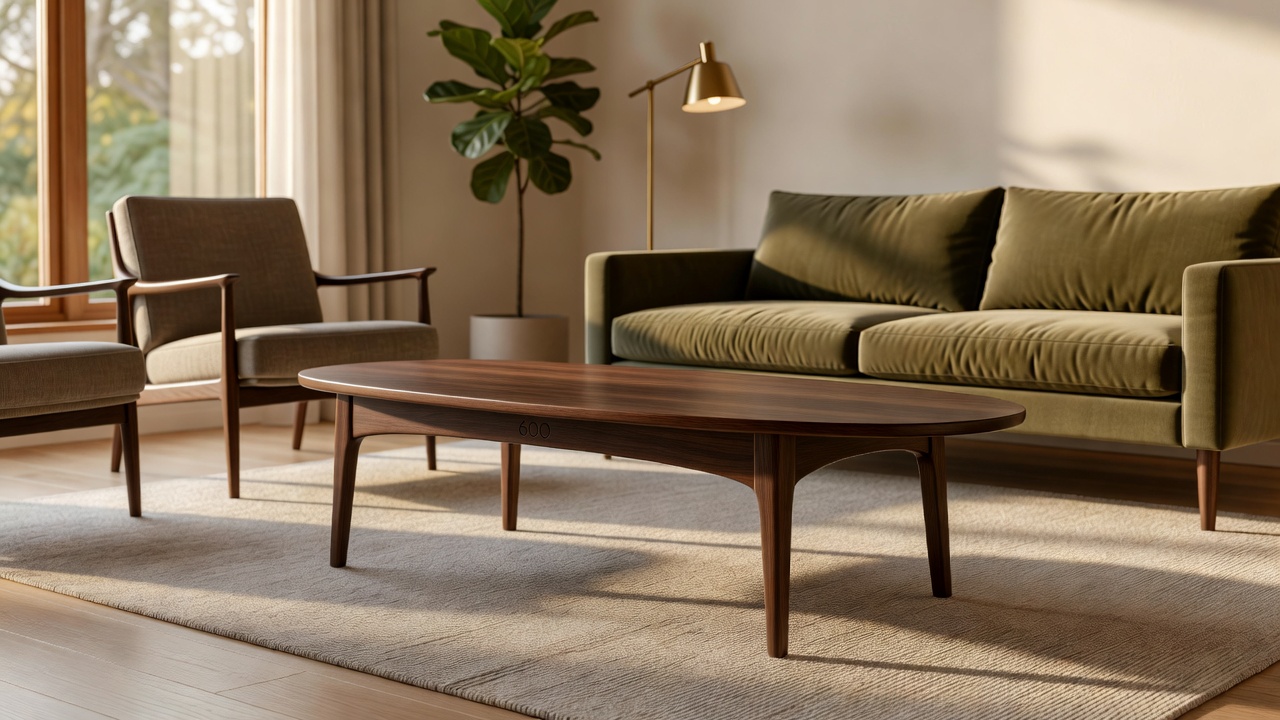
Few design movements have demonstrated the lasting power of Mid-Century Modern (MCM). Originating in the mid-20th century, this aesthetic emphasized function, simplicity, and a seamless connection with nature. At the heart of the MCM living room is the coffee table—an anchor piece that combines sculptural elegance with everyday utility.
Defining Characteristics
When identifying a true mid-century modern coffee table, several key design hallmarks stand out. The era was defined by a departure from heavy, ornate traditional furniture in favor of lighter, more aerodynamic forms.
Tapered Legs
Perhaps the most recognizable feature of MCM furniture is the tapered peg leg. Often angled slightly outward (splayed), these legs give the table a visually lighter footprint, making the piece appear as though it is floating above the floor. This design choice was both aesthetic and practical, making spaces feel larger by revealing more floor space.
Organic, Biomorphic Shapes
While some MCM tables feature clean, geometric rectangles, the most iconic designs embrace organic forms. Kidney bean shapes, rounded triangles, and free-flowing amorphous tops mimic shapes found in nature. These rounded edges soften the hard lines of a living room and improve traffic flow in tighter spaces.
Warm Woods and Materials
Walnut, teak, and rosewood were the materials of choice during the mid-century period. The deep, warm tones of these woods provide a natural contrast to the often brightly colored fabrics of MCM upholstery. In addition to wood, designers frequently experimented with newly accessible materials, seamlessly integrating molded plywood, glass, and brass accents.
Why the Style Endures
The persistence of mid-century design is not merely nostalgia. Modern living situations often require furniture that doesn't overwhelm a space. The minimalist ethos of MCM coffee tables fits perfectly into modern apartments and open-plan homes alike. Their lack of excessive ornamentation means they can easily mix with other design styles, from bohemian to contemporary industrial.
Pros and Cons
| Advantages | Considerations |
|---|---|
| Visually lightweight, ideal for small spaces. | Authentic vintage pieces can be exceptionally costly. |
| Timeless design that rarely feels dated. | Often lacks built-in storage (drawers/shelves). |
| High versatility; pairs well with various sofa styles. | Rounded, three-legged designs can occasionally tip if leaned on heavily. |
Styling Your MCM Coffee Table
To honor the minimalist roots of mid-century design, avoid cluttering the table surface. Follow the "rule of three" when arranging objects. A common, effective grouping includes a low stack of design books, a ceramic vessel or sculptural object, and a small potted plant to echo the biomorphic origins of the table.
When selecting a rug to sit underneath, consider geometric patterns or simple, textured neutral weaves. A stark, high-contrast rug can make the warm wood tones of a walnut or teak table pop beautifully, ensuring your coffee table remains the undeniable focal point of the room.