Minimalist Glass Designs: The Illusion of Space
Maximize light and showcase your textiles with the transparent elegance of a glass coffee table.
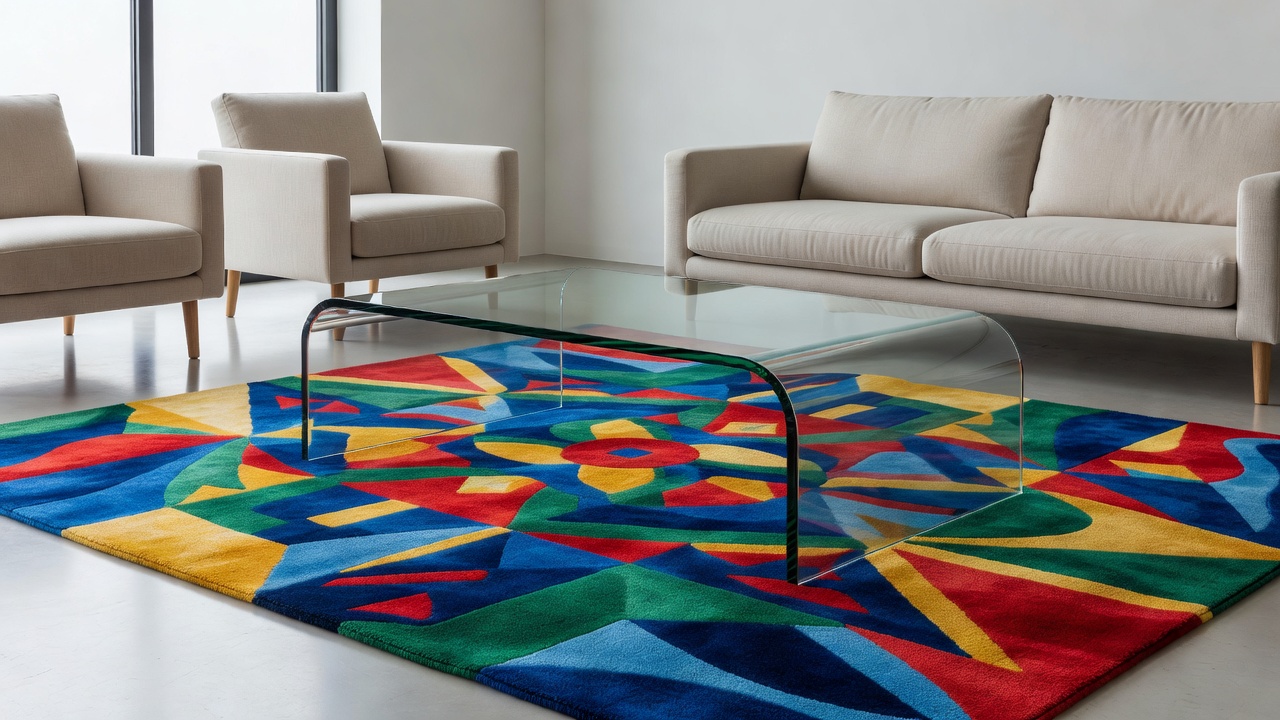
In the realm of interior design, visual weight is just as important as physical dimensions. A solid oak block and a transparent glass pane might occupy the exact same cubic volume, but to the eye, their impact on a room is vastly different. Minimalist glass coffee tables offer a functional surface without demanding visual attention, making them an unparalleled choice for specific interior goals.
The Magic of Transparency
The primary draw of a glass coffee table is its ability to transmit light. In smaller living rooms, a heavy wooden or upholstered ottoman can visually divide the space, acting as a barricade. A glass table allows the eye to travel completely through it. This uninterrupted line of sight tricks the brain into perceiving the room as larger and less cluttered.
Showcasing the Floor
If you have invested in a stunning vintage Persian rug, a geometric modern weave, or beautiful hardwood flooring, covering it up with a solid table is a missed opportunity. Glass tops act as a protective display case for whatever lies beneath. The intricate patterns of your textiles remain fully visible from almost any angle.
Material Matters: Tempered vs. Annealed
When selecting a glass coffee table, safety and durability must be top priorities. Modern glass tables are almost exclusively made from tempered glass (often referred to as toughened glass). Through a process of extreme heating and rapid cooling, tempered glass becomes significantly stronger than standard annealed glass.
More importantly, if tempered glass breaks, it shatters into small, relatively harmless pebble-like pieces, rather than the dangerous, jagged shards produced by standard glass. When shopping, always verify the use of tempered glass, especially if the design features a "waterfall" or bent-glass silhouette where the entire structure is made of one continuous sheet.
Evaluating Frame Styles
While all-glass designs exist, many glass tables utilize a supporting frame. The material of this frame dictates the secondary style of the table:
- Brass or Gold-tone Metal: Adds a touch of Hollywood Regency or mid-century glamour.
- Matte Black Steel: Grounds the piece with a subtle industrial edge.
- Carved Wood: Bridges the gap between traditional warmth and modern transparency.
Pros and Cons
| Advantages | Considerations |
|---|---|
| Makes rooms feel larger by preserving lines of sight. | Requires frequent cleaning; shows fingerprints and dust easily. |
| Does not clash with existing wood tones in the room. | Can feel physically "cold" in a room lacking textiles. |
| Highlights beautiful rugs and flooring underneath. | Sharp corners on square models can be a hazard for toddlers. |
Maintenance and Care
The caveat of glass is upkeep. To keep a minimalist glass table looking its best, regular dusting is required. Avoid abrasive cleaners that can cause micro-scratches over time. A simple solution of distilled water and white vinegar, wiped away with a microfiber cloth, will keep the surface gleaming and streak-free without leaving chemical residues.